Choosing the Best Roof Selection: An In-Depth Guide for Property Residents
Determining the appropriate roofing choice is important for homeowners. It determines not only the home's look but also its longevity and thermal performance. With multiple options available, each with unique pros and disadvantages, the decision can be overwhelming. Property owners must consider factors such as climate, design, and cost. Recognizing these components can result in a more informed choice. What exact materials stand out, and how do they align with individual requirements?
Discover Popular Roofing Choices
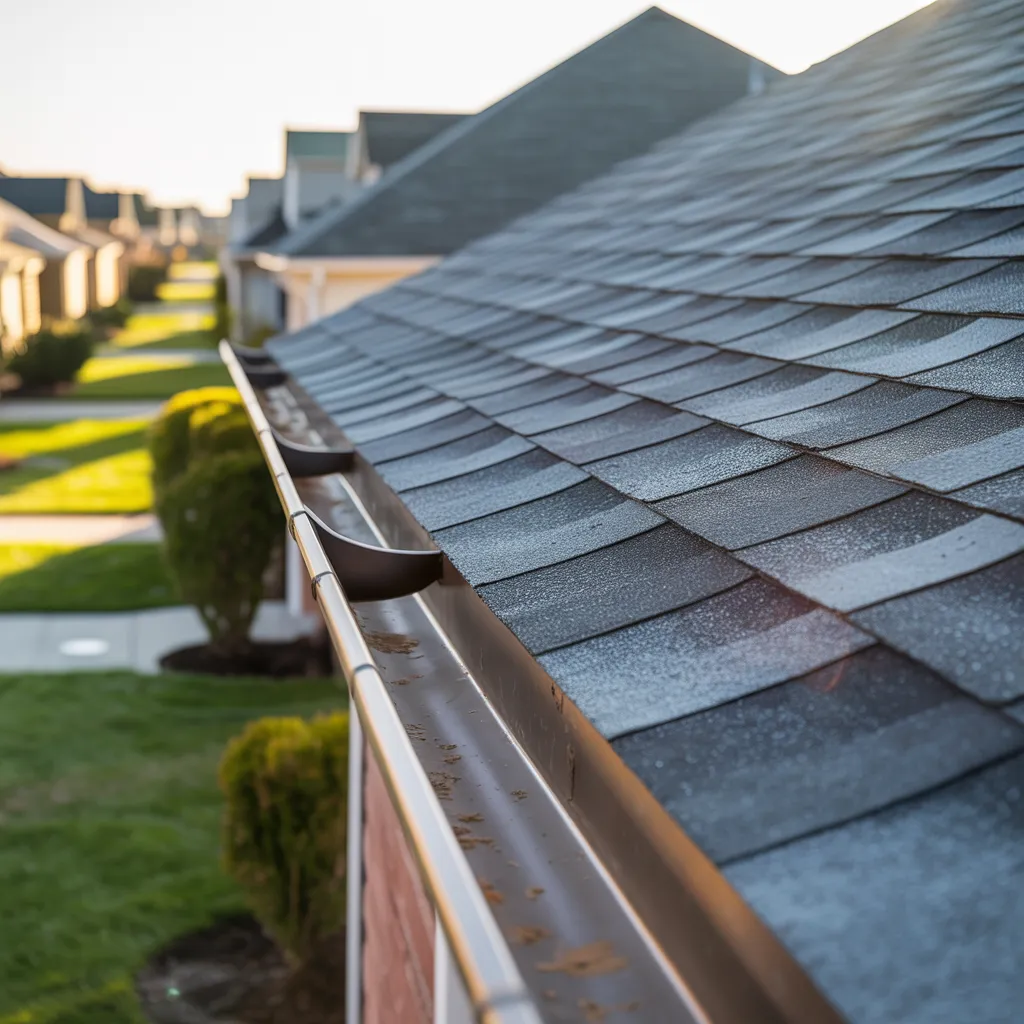
When deciding on a roof material, property owners face a diverse array of possibilities, each with distinctive attributes and benefits. Asphalt shingles are still one of the most popular selections thanks to their cost efficiency and simple installation process. They offer strong weather resistance and come in numerous colors, appealing to a broad range of tastes. Metal roofing, valued for its durability and long lifespan, is another option, often chosen for its energy content efficiency and sleek look. Tile roofing, typically found in warmer areas, provides great insulation and a unique appearance but is often more expensive and heavier. Wood shakes have a rustic allure, though they require more upkeep and are vulnerable to fire and decay. Lastly, slate roofing, while pricey, is prized for its sophistication and strength, making it a wise long-term investment. Each material has its own set of advantages, helping homeowners make well-informed decisions based on their unique needs and preferences.
How to optimize Cost and Value?
Managing the relationship between expenditure and value in roof material selection calls for deliberate assessment of various considerations. Reviewing prolonged wear resistance, appraising the effect of thermal performance, and comparing setup costs are essential steps in reaching an astute determination. Every of these elements contributes to the comprehensive investment and long-term happiness with the roofing choice.
Examine Long-Term Durability
While many homeowners focus primarily on initial expenses, evaluating long-term durability is crucial for making a smart choice in roofing materials. Long-lasting roof choices, such as metal, slate, or tile, may have greater upfront costs but often provide significant longevity, reducing the need for frequent repairs or replacements. In contrast, less expensive materials, like asphalt shingles, may need to be replaced within 15 to 30 years, resulting in increased lifetime expenses. Homeowners should evaluate the roof's durability, resistance to weather elements, and maintenance requirements when determining value. Additionally, guarantees can provide information into longevity, signaling producer trust in the material. Ultimately, selecting a long-lasting roof option balances initial expenses with future savings, guaranteeing a better financial decision for the future.
Examine Power Efficiency Effects
Evaluating energy efficiency impact is crucial for homeowners who want to balance expense and worth in their roofing choices. Energy-efficient roofing materials can considerably reduce heating and cooling costs, leading to savings over time. Homeowners should consider choices such as metal, tile, or reflective shingles, which enhance insulation and reduce heat absorption. The upfront cost may be greater, but the potential for energy savings over time often justifies the cost. Additionally, energy-efficient roofs can enhance home comfort and contribute to eco-friendly living. Homeowners are advised to assess local climate conditions and energy prices to make informed decisions. Ultimately, selecting the appropriate roofing product involves weighing upfront costs against potential energy savings and overall value.
Review Setup Costs
When selecting roofing materials, understanding labor expenses is crucial for homeowners aiming to weigh price and quality. Various roofing types come with varying labor costs, often affected by intricacy and workforce demands. For instance, asphalt shingles typically have reduced labor expenses compared to metal or slate roofs, which may demand expert knowledge. Homeowners should also evaluate long-term value; while budget-friendly options might reduce expenses initially, they may need more frequent repairs or replacements. Furthermore, factors such as local labor rates and building codes can affect overall expenses. Evaluating these elements helps property owners make informed decisions that align with their budget while guaranteeing durability and aesthetic appeal in their roofing choice.
Roof Strength and Lifespan
Learning about roof durability and lifespan is essential for homeowners taking educated steps about roof types. Different materials offer varying levels of durability, which directly influences their longevity. For example, asphalt shingles typically last 15 to 30 years, while metal roofs can survive 40 to 70 years, depending on the quality and maintenance.
Furthermore, elements such as weather conditions, installation quality, and routine maintenance play vital roles in establishing a roof's lifespan. Property owners should take into account the material's resistance to elements like strong winds, rain, and UV rays, as these can greatly affect durability.
Ultimately, selecting a roof solution that incorporates both durability and longer lifespan can lead to decreased maintenance costs and fewer replacement instances over time. Homeowners are encouraged to evaluate their specific requirements and consult with experts to establish the most suitable material for their circumstances, providing long-term fulfillment and protection for their residences.
Selecting Roof Options for Your Climate
Picking the appropriate roof material is vital, especially since climate conditions can considerably determine a roof's strength and longevity. Homeowners living in zones with severe temperature fluctuations should assess materials that can withstand both heat and cold. For instance, metal roofs bounce back sunlight, making them ideal for hot climates, while asphalt shingles offer insulation advantages in colder areas.
In areas prone to heavy rainfall or snow, substances like slate or tile provide superior durability and water resistance. Conversely, those residing in dry, arid environments might benefit from lightweight materials that minimize heat absorption. Wind resistance is yet another factor; homeowners in hurricane-prone areas ought to select materials designed to withstand high winds to avoid damage in storms.
Ultimately, understanding local weather factors enables homeowners to make knowledgeable decisions, ensuring their roofing material not only strengthens the home's aesthetic but also provides lasting shelter against environmental challenges.
Stylish Roofing Choices to refresh your home's exterior
Aesthetic roofing styles serve as an crucial role in enhancing a home's general attractiveness. Various design approaches and a range of finish and material options allow homeowners to customize their roofs to complement their designs. Understanding these components can greatly influence both the visual impact and value of a property.
Prevalent Architectural Approaches
The roofs act as the crowning touch of a home, greatly impacting its overall design. Different architectural styles require specific roofing designs, which contribute to the character and function of residences. For example, Colonial homes typically have gable roofs that promote symmetry, whereas Victorian houses often display intricate, multi-faceted roofs that showcase their elaborate nature. Contemporary styles commonly use flat or low-slope roofs, focusing on minimalism and clean lines. Mediterranean designs, known for their red-tiled roofs, create a welcoming, inviting ambiance. Every style not only fulfills an aesthetic role but also adapts to regional climates and environmental conditions, ensuring durability and efficiency. Choosing the right roofing material compatible with these architectural styles is crucial for achieving a unified home appearance.
Color and Texture Alternatives
Numerous color and finish choices exist for roofing materials, each adding to the visual appeal of a home. Homeowners can choose from a spectrum of hues, stretching from classic neutrals to vibrant shades that make a statement. Finished textures, such as slate or wood shakes, add depth and character, enhancing the overall aesthetic. Metal roofing, available in various colors and finishes, can replicate traditional materials while providing modern durability. Additionally, the choice of roofing material influences the texture; for instance, asphalt shingles provide a smooth surface, while tile can deliver a more rugged appearance. Ultimately, selecting the right color and texture not only shows personal style but also influences the home's curb appeal and value.
Matches Your Residential Design
How can one ensure that their roofing choice works with the overall aesthetic of their home? Homeowners should think about the architectural style, color palette, and neighborhood aesthetics when selecting roofing materials. For traditional homes, options like asphalt shingles or wood shakes may reinforce the classic look, while modern designs might profit from metal or flat roofs. Additionally, the roofing material's texture can enhance visual appeal; for instance, slate offers a sophisticated finish that suits upscale designs. It is essential to coordinate the roofing choice with existing elements, such as siding and trim, ensuring a cohesive appearance. Ultimately, a well-chosen roof not only improves a home's charm but also boosts its market value, making thoughtful selection essential.
Ultimate Points to Consider Before Picking Your Roof
Before selecting a roofing material, homeowners must review various essential considerations that can greatly impact longevity, aesthetics, and cost. Environmental factors has a significant part; regions with severe environmental challenges necessitate substances that can withstand severe weather. Moreover, the local building codes and guidelines may dictate specific roof choices, influencing the decision-making process.
Homeowners should also evaluate the long-term costs associated with maintenance and energy efficiency. Some materials, while at first more affordable, may incur higher maintenance costs over time. Visual tastes should not be ignored; the chosen material should harmonize with the general appearance of the home.
Finally, obtaining guidance from an expert can furnish valuable perspective, setting that the selected roofing material aligns to household requirements and property specifications. By weighing these aspects, homeowners can select appropriately that enhances their home's value and longevity.
Often Asked Questions
How Do Roofing Materials Affect Home Coverage Premiums?
The type of roofing materials significantly shapes home insurance rates. Durable materials often produce lower rates, as they reduce the risk of damage. In contrast, less durable selections may produce increased premiums due to increased potential for claims.
Is it feasible to add a replacement roof over my old one?
Yes, a new roof can often be installed over an existing one, provided it meets local construction regulations and structural integrity requirements. However, consulting a professional is recommended to ensure proper installation and prevent potential issues.
What Environmental Effects Result from Various Roofing Materials?
Several roof types show varying environmental impacts. Asphalt shingles contribute to landfill waste, while metal roofs offer recyclability. Green roofs improve insulation and biodiversity, whereas traditional tiles may consume high energy for production, affecting carbon footprints.
How Can I Keep My Roof in Good Condition After Setup?
To keep up a roof after setup, property owners should frequently check for any damage, clear gutters, remove debris, check for leaks, and book yearly professional inspections, guaranteeing peak performance and durability of the roofing system.
What Warranties Are Commonly Provided With Roofing Materials?
Commonly, roofing materials come with warranties ranging from 20 to 50 years, covering defects and at times installation. Manufacturers commonly offer separate warranties for labor, ensuring homeowners are safeguarded from potential issues during the specified period.